

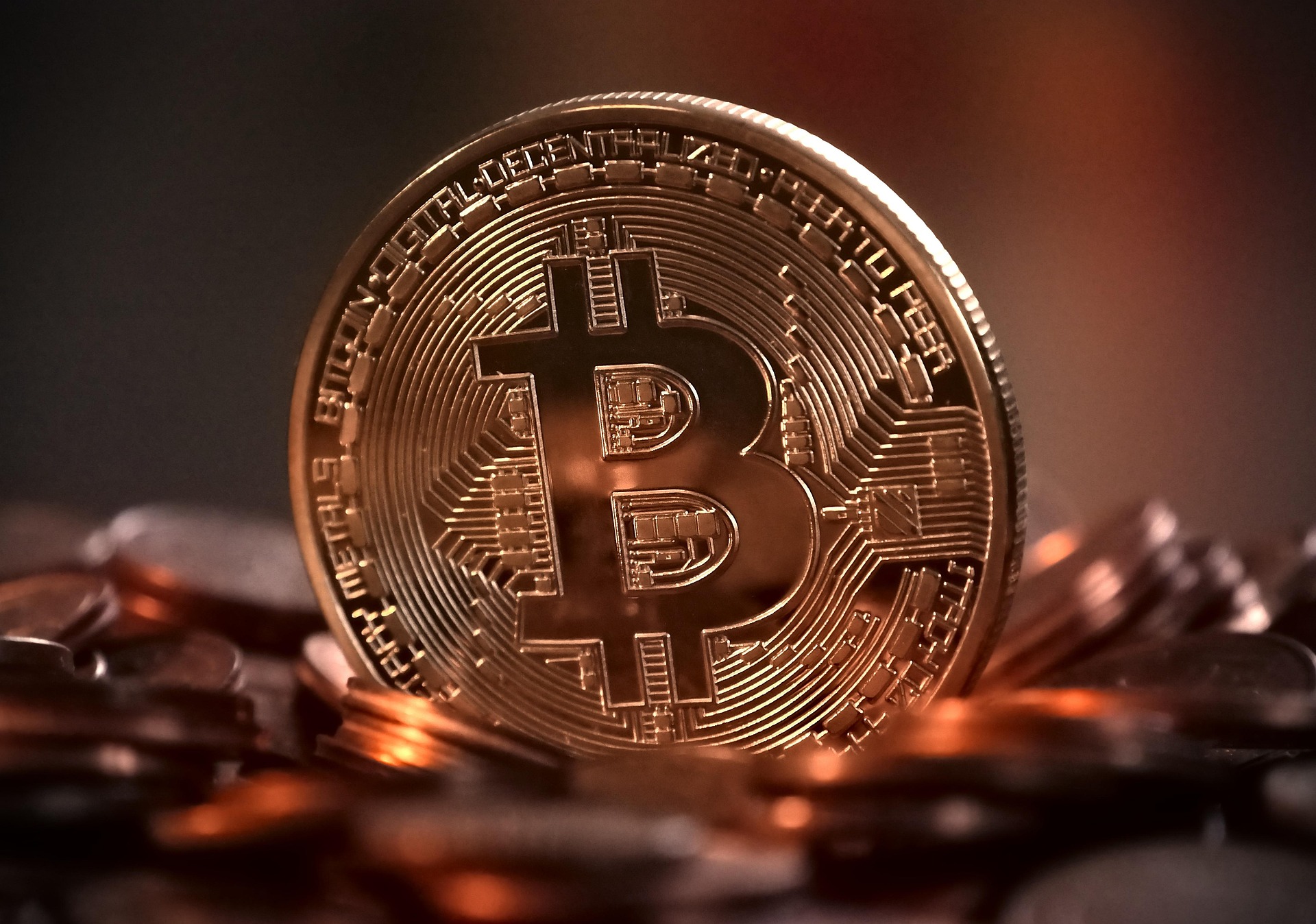
Have you ever considered buying your groceries in cryptocurrency? On the surface, that seems unreasonable. But what if by paying in crypto, you paid less?
That may sound like a pipe dream, but for a couple of reasons, it might not be.
Sky-high credit and debit card transaction fees have driven businesses, particularly small businesses, to incentivize alternative payment methods. Every time you make a purchase with a bank card, the business you are buying from is charged a fee by your bank for processing that transaction. Mastercard and Visa’s duopoly over the bank card industry allows them to gouge the price of these fees.
The lowest transaction fee associated with a Visa credit card is approximately 1.1% of the transaction. Higher tier credit cards can have fees over 3%. Debit cards offer lower transaction fees, averaging a fee of .73%. These fees are small individually, but accumulate to extreme expenditures for businesses. In 2024, U.S merchants paid banks $187.2 billion in transaction fees. Those financial losses are difficult for businesses to absorb. The end result is higher prices for consumers: the Merchants Payment Coalition estimates the fees drive up household expenditures by an average of $1,200 a year.
Businesses are open, however, to alternative payment methods that circumvent transaction fees. Until recently, there was only one option – cash. Some businesses have begun offering lower prices to those who use it. However, new technology and a surge in financial legitimacy present another alternative payment method: Cryptocurrencies
Payment by cryptocurrencies, specifically stablecoins, could be viable for a few reasons. The primary one is that crypto transactions can occur between businesses and customers for microscopic processing fees.
For example, a consumer that owns bitcoin can transfer it to a third-party app that functions as a wallet for their bitcoin: think CashApp or PayPal. A customer can then use that application to transfer it to a vendor who accepts bitcoin payment over something called the lightning network. For a bitcoin purchase equivalent to $20 on the lightning network, a transaction fee of two cents would be charged. That’s a 10x decrease from the credit card rate.
Payment by this method has the potential to be beneficial for both businesses and consumers. Lower prices could be offered to buyers who pay in crypto, similar to the discounts some businesses are offering to those who pay in cash, and if a large enough portion of the consumer base used this method for a subset of their payments it could put pressure on the card companies to reduce their fees.
Reducing the frequency of credit card payments could also lower buyers utilization ratios – and increase credit scores.
There are two main options for crypto payment: bitcoin and stablecoins.
Bitcoin is the readily available option: infrastructure for bitcoin payments on the lightning network is developed and ready for use. It is, however, less secure than stablecoins: some have voiced concern that it is vulnerable to hacks, and bitcoin can fall in value at any time. Institutional investors, however, appear to be betting that won’t happen. Mainstream financial institutions have positions in bitcoin. Morgan Stanley recently moved to offer cryptocurrency trading to retail customers, and JP Morgan CEO Jamie Dimon recently said “we’ll all use them” when talking about cryptocurrency and stablecoins. Governments across the world, including the United States, are accumulating “strategic bitcoin reserves”. The risk of a crash in value, while still present, seems to be diminishing.
Stablecoins are safer, but only smaller payment processors like Strike or Speed offer lightning network transactions for it. That may soon change. The recently signed GENIUS act subjects stablecoin issuers to regulatory oversight, auditing, and requires them to have a reserve of fiat currency or low risk assets. Additionally, the nature of stablecoins makes them much safer: they are essentially digital versions of the currency they are pegged to, without officially being that currency. For example, a stablecoin pegged to the U.S dollar will always be worth the same amount of money as a U.S dollar. It just isn’t backed by the U.S treasury.
Mainstream financial services, such as CashApp, are beginning to support bitcoin payment, and there are third-party apps that allow for stablecoin purchases on the lightning network. As it stands, the main application barrier is participating merchants.
It is important to note that while many entities are offering crypto transactions, not all offer it through the lightning network. CashApp, for example, offers bitcoin transactions on the lightning network. Mainstream payment processor Stripe offers stablecoin payment, but does not offer it on the lightning network. Crypto transactions that do not occur on the lightning network are subject to much higher transaction fees, and do not have the positive effect on consumers that lightning network purchases present.


